
Research peptides are laboratory compounds available through specialized suppliers, and knowing where to buy research peptides is less important than understanding why Canadian parents need to be aware of these substances in their homes. If you or another adult in your household uses research peptides for fitness, health experimentation, or any other purpose, these powerful biological compounds require the same careful storage and handling protocols you’d apply to prescription medications or cleaning chemicals.
Here’s what matters most: research peptides aren’t toys, snacks, or science fair materials. They’re potent compounds that can interfere with natural growth and development if children are exposed to them. While your family might be focused on building forts along the Rideau Canal or exploring the trails of Algonquin Park this summer, household safety remains just as crucial as outdoor preparedness.
This article addresses a gap many Canadian parents don’t realize exists. Research peptides have become increasingly accessible to adults seeking performance enhancement or anti-aging benefits, yet few resources explain the risks these substances pose in homes with curious kids. Children aged 6-14 are naturally inquisitive explorers. That same spirit that drives them to investigate tide pools in the Maritimes or collect interesting rocks in the Rockies can lead them to investigate unlabeled vials in bathroom cabinets or home offices.
We’ll walk through what research peptides actually are, why adults purchase them, the specific risks they pose to developing children, and practical storage strategies that protect your family. You’ll also learn how to have age-appropriate conversations with your kids about substances they shouldn’t handle, building the same safety awareness you teach them about campfire management or water safety during canoe trips.
What Research Peptides Actually Are (And Why They’re Everywhere Online)
Research peptides are synthetic chains of amino acids created in laboratories and designed to mimic naturally occurring proteins in the human body. While that might sound harmless, these aren’t vitamin supplements you’d find at your local health food store. They’re experimental chemical compounds manufactured specifically for use in scientific research settings with controlled protocols and trained professionals.
Here’s where things get troubling for parents: these substances flood online marketplaces, sold as research purposes only to sidestep regulations that would otherwise ban their sale to the general public. Websites promote them with clinical-sounding names and scientific packaging, creating an illusion of legitimacy. The “research only” label is a legal loophole, not a meaningful restriction.
Why are they everywhere? The online fitness culture has created massive demand for quick results, and sellers have responded by offering dozens of peptide varieties promising everything from muscle growth to fat loss to anti-aging effects. They ship discreetly to your doorstep, often with minimal age verification or safety information.
The market has exploded because enforcement is challenging. These compounds exist in a regulatory grey zone where they’re not quite legal drugs but not quite banned substances either. Sellers operate websites that look professional and scientific, complete with laboratory reports and technical descriptions that overwhelm the average parent trying to understand what they’re actually looking at.
What makes this particularly dangerous for Canadian families is how normalized these chemical shortcuts have become. They’re advertised alongside protein powders and workout gear, blurring the line between legitimate supplements and experimental laboratory chemicals that belong nowhere near a household with children.
The Dangers Lurking in Your Medicine Cabinet
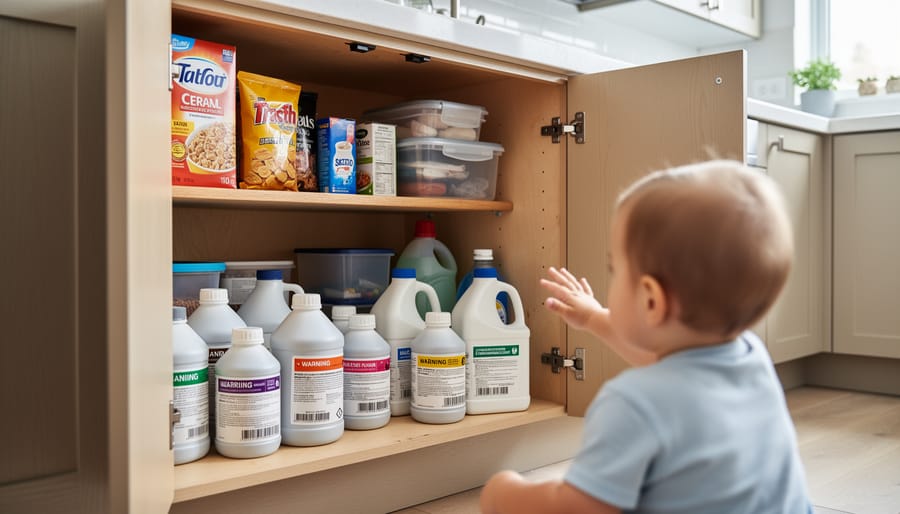
Children are naturally curious explorers, it’s what makes them great adventurers in the wilderness, but it’s also what puts them at risk at home. When research peptides enter a household, even stored in what adults consider “safe” places, they create genuine danger for kids who don’t understand what they’re handling.
These substances typically arrive as vials of powder or liquid that look remarkably ordinary. Unlike prescription medications with child-resistant caps and warning labels, research peptides often come in plain containers that might resemble everyday items. A curious eight-year-old rifling through a bathroom drawer or bedroom closet won’t recognize the difference between these chemical compounds and harmless cosmetics or supplements. Accidental contact with skin, eyes, or worse, ingestion, can happen in seconds.
The lack of quality control makes this risk even more frightening. Because these products are sold “for research purposes only,” they exist in a regulatory grey zone. There’s no guarantee what’s actually in the vial matches what the label claims. Contamination, incorrect dosing, and mislabeling are documented problems in this market. What an adult ordered believing it to be one compound might contain something entirely different, or dangerous impurities. When children are potentially exposed, this uncertainty becomes terrifying.
Even well-meaning parents who believe they’re being responsible create risk by having these substances at home. Perhaps they’re stored on a high shelf or in a locked drawer, but kids are resourceful. They climb, they search, they find things. The parent who thinks their storage solution is foolproof is often wrong, and the consequences of being wrong are severe.
Beyond physical dangers, having these chemical shortcuts visible in your home sends a message to children about how we build strength and achieve goals. It normalizes the idea that bodies need chemical enhancement rather than natural development through activity and healthy living. Kids absorb these lessons whether we intend to teach them or not.
The safest household for raising strong, confident Canadian kids is one where chemical shortcuts have no place, and where growth happens through real experiences in the natural world instead.
Teaching Kids About Real Strength: The Outdoor Adventure Alternative
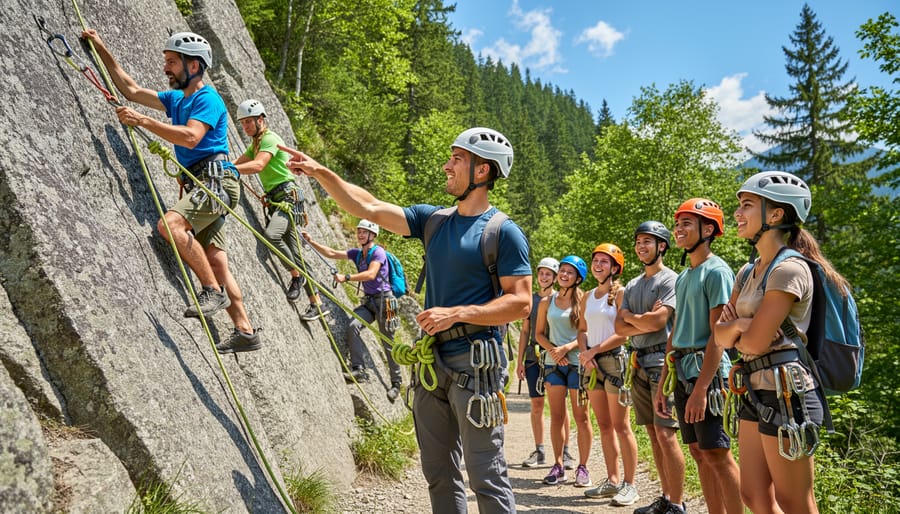
What Kids Really Gain From Wilderness Challenges
When you enroll your teen at camp they’re not just getting away from screens. They’re building real confidence through actual accomplishment. Setting up a tent in the rain, navigating a portage route, or helping a younger camper tie a knot teaches kids they’re capable of more than they imagined. That’s confidence you can’t buy in a bottle.
The physical development happens naturally. Hauling canoes, hiking rugged trails, and even playing fun camping games builds strength, coordination, and endurance without forcing growth or risking health. Bodies develop at their own pace when challenged consistently through varied outdoor activities.
Mental resilience comes from facing genuine challenges. When your daughter figures out how to start a fire in damp conditions, or your son pushes through a tough portage, they’re learning they can handle difficulty. They discover that discomfort isn’t permanent and that effort leads to results. These lessons stick because they earned them.
The social skills are equally powerful. Wilderness experiences force kids to communicate, cooperate, and support each other. They learn to resolve conflicts when tent space is tight, share responsibilities on trail, and celebrate each other’s victories. These are authentic relationships built through shared struggle and triumph, not artificial enhancement.
Nature’s Way of Building Healthy Bodies
When kids spend their days hiking forest trails, scrambling over rocky outcrops, and hauling camping gear through the backcountry, their bodies respond in remarkable ways. Weight-bearing activities like these trigger natural bone growth, building density that protects them for life. Climbing trees and navigating uneven terrain develops core strength and coordination no gym can replicate.
The magic happens gradually. A child who struggles on their first portage becomes stronger with each trip, their muscles adapting to real challenges rather than forced development. Their cardiovascular system strengthens from sustained effort, paddling across lakes, trekking to viewpoints, chasing friends through meadows. This natural progression respects growth plates and developing joints, unlike artificial enhancement that can damage young bodies still forming.
Outdoor activity also regulates appetite and sleep patterns beautifully. Kids who’ve spent hours exploring return genuinely hungry for nutritious food and sleep deeply without struggle. Sunlight exposure supports vitamin D production for calcium absorption, building those strong bones even further. The fresh air, physical exertion, and mental engagement create a perfect wellness package.
What develops outdoors stays with them. The teenager who learned endurance on canoe trips carries that fitness into adulthood. The child who built leg strength hiking mountains maintains healthy habits because they associate movement with adventure and joy, not obligation. Nature builds bodies the way they’re meant to grow: gradually, safely, and wonderfully strong.
Having the Conversation: Talking to Your Kids About Shortcuts vs. Real Achievement

Starting these conversations doesn’t need to be scary or complicated. The key is keeping it age-appropriate, honest, and focused on what kids can control: their own choices and effort.
For younger children (ages 6-9), keep it simple and concrete. When they ask why some athletes or adults seem so strong, explain that while some people try to use special chemicals to get strong faster, the best and safest way is through practice, healthy food, and outdoor activities. Connect it to experiences they understand: “Remember how you couldn’t climb that tree last summer, but now you can? That’s because you practiced and your muscles got stronger the real way.”
With older kids (ages 10-14), you can dig deeper into why shortcuts appeal to people and why they ultimately don’t work:
- Acknowledge the pressure: “I know you see people online who look super strong or athletic. Sometimes those people use chemicals to try to get there faster.”
- Explain the trade-off: “Those shortcuts might seem to work at first, but they can hurt your body, and you didn’t actually earn those skills. It’s like cheating on a test, you might get a good grade, but you didn’t really learn anything.”
- Emphasize authentic achievement: “When you learn to navigate with a compass at camp, or carry your own pack on a three-day hike, nobody can take that away from you. You earned it.”
- Make it relevant: “Your body is still growing. Putting chemicals in it now could mess up how you develop for the rest of your life.”
Use teachable moments from your outdoor adventures together. When your child masters a new skill, whether it’s starting a campfire, identifying animal tracks, or completing a challenging portage, celebrate the process, not just the outcome. Talk about how many attempts it took, what they learned from mistakes, and how good it feels to succeed through real effort.
Connect these conversations to getting ready for future adventures. As you’re packing must-have camping items for your next trip, remind them that building camping skills takes time and practice. Nobody becomes an expert wilderness explorer overnight, and that’s what makes the journey worthwhile.
Most importantly, listen to their questions without judgment. If they’ve heard about performance-enhancing substances from friends or online, they need a safe space to process that information with you.
The real strength your kids need won’t come from a vial purchased online. It grows from scrambling up Canadian Shield granite, navigating forest trails with friends, and pushing through that last kilometer on a canoe portage when their arms are tired but their determination hasn’t quit.
Research peptides for sale might promise shortcuts, but childhood isn’t meant to be rushed or artificially enhanced. It’s meant to be lived in the mud, the rain, and the glorious exhaustion that follows a day spent testing limits outdoors. When you choose wilderness camps and outdoor programs for your children, you’re giving them something far more valuable than chemical enhancement: you’re giving them authentic experiences that build genuine confidence from the ground up.
Our Canadian landscape offers everything kids need to develop into strong, resilient individuals. The pine-scented air of Ontario forests, the rugged terrain of the Rockies, the endless horizons of prairie skies, these are the laboratories where real growth happens. Here, achievements are earned through effort, persistence, and courage. A child who learns to set up their first tent in the rain, start a campfire, or identify constellations in the Yukon sky carries those victories forever.
Keep your home safe by keeping these substances out entirely. Instead, invest in outdoor adventures that honour the natural pace of childhood development. That’s the Canadian way, authentic, earned, and rooted in respect for both our children and the wild spaces that shape them into who they’re meant to become.